

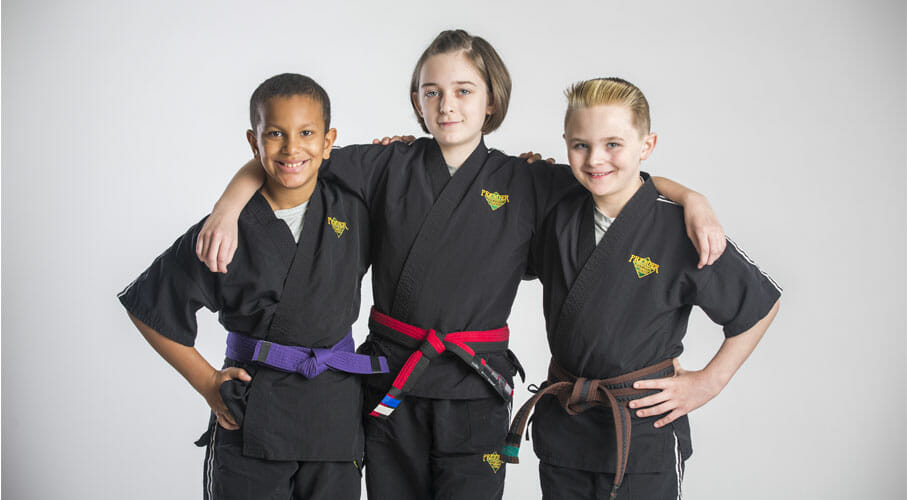
Success isn’t built alone.
While martial arts may look like an individual journey, the truth is, growth happens through the support, encouragement, and energy of those around you. Every class, every drill, and every milestone is shaped by the people training alongside you.
At Premier Martial Arts, we believe that learning how to work with others is just as important as developing any individual skill. For May, our Black Belt Excellence focus is Teamwork, a vital life skill that helps students build confidence, strengthen relationships, and learn how to succeed together.
What Teamwork Means
Teamwork is about more than just working side by side. It’s about learning how to communicate, support others, and contribute to a shared goal. For kids, teamwork shows up in everyday moments. It’s cheering on a classmate who is testing for their next belt. It’s taking turns during drills. It’s encouraging a friend who feels unsure or helping someone stay focused.
Teamwork teaches students that success isn’t just about individual achievement, it’s about lifting others up along the way. It’s the mindset of “we grow stronger together.”
How We Teach It in Class
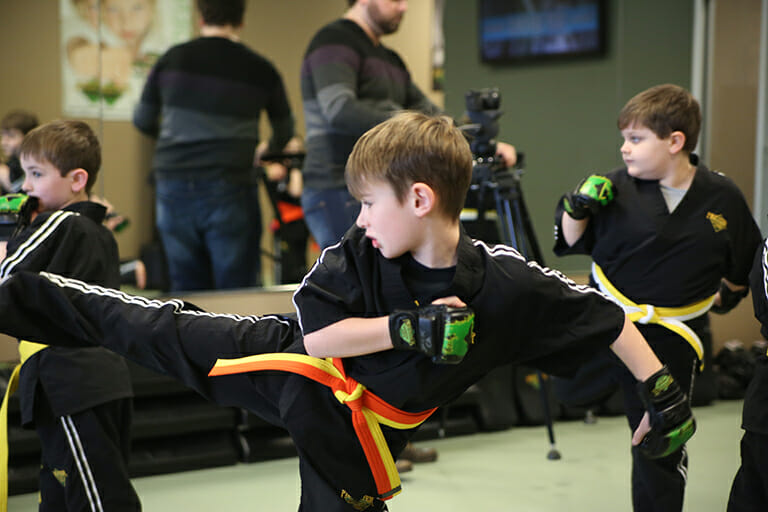
In every Premier Martial Arts class, teamwork is built into the experience. Students are constantly learning how to work with, support, and learn from one another. In class, students practice:
- Partner drills that require cooperation and trust
- Encouraging classmates during challenging exercises
- Taking turns and showing patience
- Celebrating each other’s progress and achievements
- Leading by example and supporting newer students
These moments create a positive training environment where students feel motivated and supported. They begin to understand that their attitude and effort don’t just impact themselves, they impact the entire class. Over time, students learn that being a great teammate is just as important as being a strong martial artist.
What It Looks Like at Home
Teamwork doesn’t stop at the mat. Parents often see it show up in meaningful ways at home. Teamwork at home might look like:
- Helping siblings or working together on responsibilities like chores and homework
- Listening and communicating more effectively
- Participating in family activities with a positive attitude
- Supporting others instead of competing for attention
- Taking initiative to contribute without being asked
These everyday actions reflect a growing understanding of cooperation, respect, and shared responsibility.
How It Benefits Them at School and in Life
Teamwork is a skill that impacts every area of a child’s life. In school, teamwork supports:
- Stronger collaboration on group projects
- Better communication with teachers and peers
- Increased confidence in social settings
- Improved problem-solving skills
Outside the classroom, teamwork helps children become more adaptable, empathetic, and confident in group environments. Whether it’s sports, friendships, or future careers, knowing how to work well with others is essential in life. It teaches students that they don’t have to face challenges alone, and that working together often leads to better outcomes.
What Parents Might Notice
As students begin to develop stronger teamwork skills, parents often notice positive changes in behavior and mindset. You may notice:
- More encouragement and kindness toward others
- Improved communication and listening skills
- Greater willingness to help and cooperate
- Increased confidence in group settings
- A stronger sense of belonging and connection
These changes reflect growth that goes far beyond physical training.
Building Leaders Through Connection
At Premier Martial Arts, we are proud to create an environment where students grow together, not just individually. Teamwork helps students build trust, develop leadership, and understand the value of supporting others. Because being a black belt isn’t just about what you can do on your own…it’s about how you show up for others. And the strongest students are the ones who know how to lift those around them.
For more information regarding the importance of perseverance in children, be sure to check out the links below.
- EBSCO: Cooperative Learning | Education | Research Starters | EBSCO Research
- National University: What is Social Emotional Learning (SEL): Why It Matters | NU